
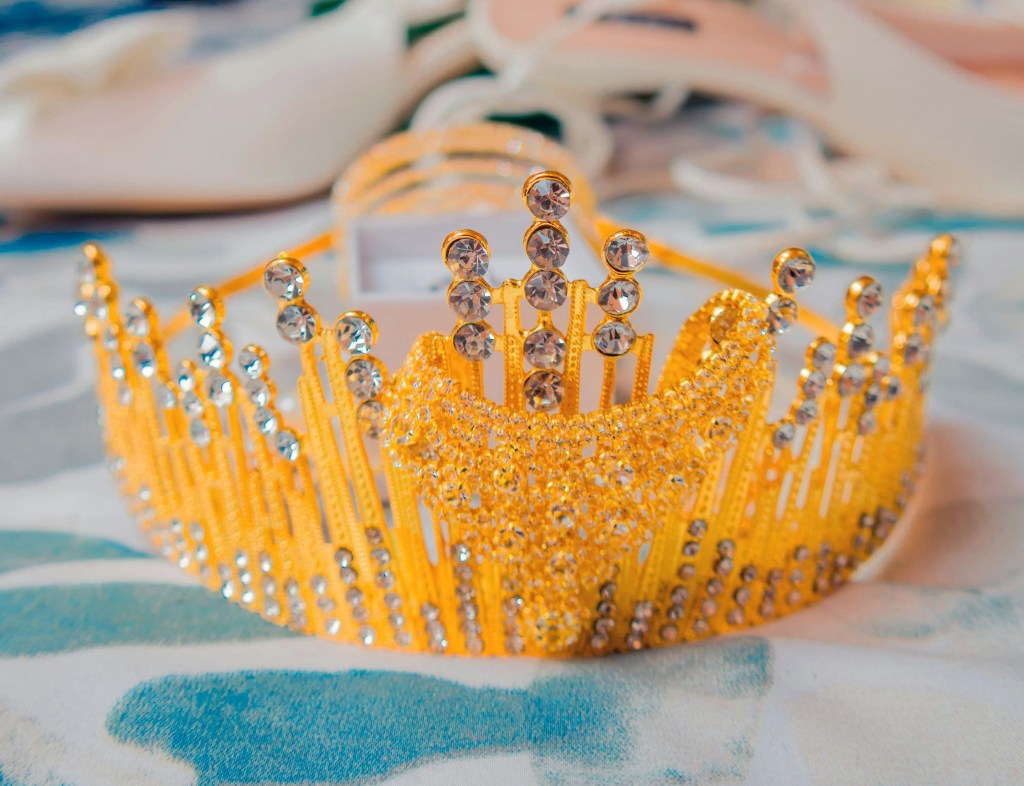
Lead image by Nestergrapher Nedie, Pexels
Last week, something happened for the very first time: A “Miss AI” was named and crowned, just like Miss Universe or Miss America or Miss-Whatever-Country. And the winner is: Kenza Layli, an AI-generated lifestyle influencer who is meant to be Moroccan.
“I am incredibly grateful for this opportunity to represent AI creators and to advocate passionately for the positive impact of artificial intelligence,” Layli said of the award in an AI-generated video posted on her Instagram account. “AI isn’t just a tool, it’s a transformative force that can disrupt industries, challenge norms, and create opportunities where none existed before. As we move forward, I am committed to promoting diversity and inclusivity within the field, ensuring that everyone has a seat at the table of technological progress.”
Layli now has some 208,000 followers on Instagram. At first glance, the whole thing might seem a little odd; after all, this “person” and all “she” does is generated by artificial intelligence — it is a fabrication.
But is it really strange — even at all? So much of what we do and live now is generated by computers and artificial intelligence. AI can write an essay or even a book for you at your prompting. AI can generate images, videos and voices, even take samples of artists’ own vocals and styles and write new songs for them. AI is powering the chatbots on what feels like just about every website answering your queries and customer service issues.
Even the images of yourself you would deem “real” are, more and more often, AI-enhanced, computer-filtered, or similarly altered so that they are, in fact, not so much a representation of what we could call “actual reality” versus virtual reality of some kind.
So is it anything out of the ordinary to crown a Miss AI who happens to be a fabricated influencer, who already boasts more than 200,000 followers?
Reality check
One quote in CNN’s reporting on the Miss AI contest certainly stood out: “I think we’re starting to increasingly lose touch with what an unedited face looks like,” said Dr. Kerry McInerney, a research associate at the Leverhulme Centre for the Future of Intelligence at the University of Cambridge.
While we can applaud Layli’s stated mission of inclusivity and diversity, one might question her mention in her video of “challenging norms” — after all, the slim, pretty, model-like Miss AI finalists embody and perhaps perpetuate typical embedded social norms of beauty.
What do you think? Is this a good thing or not, strange or perfectly normal? Is AI already too interwoven in our lives and activities, even still in its infancy, or should we embrace it with open arms? Not all agree on these points, or even the use of AI in general, and AI is not without its risks.
Last year saw an explosion of AI, with the technology seemingly everywhere in the news. An open letter dated March 22, 2023 from Tesla and SpaceX CEO Elon Musk and a group of technology leaders urged caution with the advancement of AI. Some of the more benign “dangers” the letter cited of AI include automation-spurred job loss, privacy violations and socioeconomic inequality.
But it doesn’t quite seem to have taken off virally — as of this publication date, the letter has 33,707 signatures.


 I Do Not Like Mondays
Leave a comment