

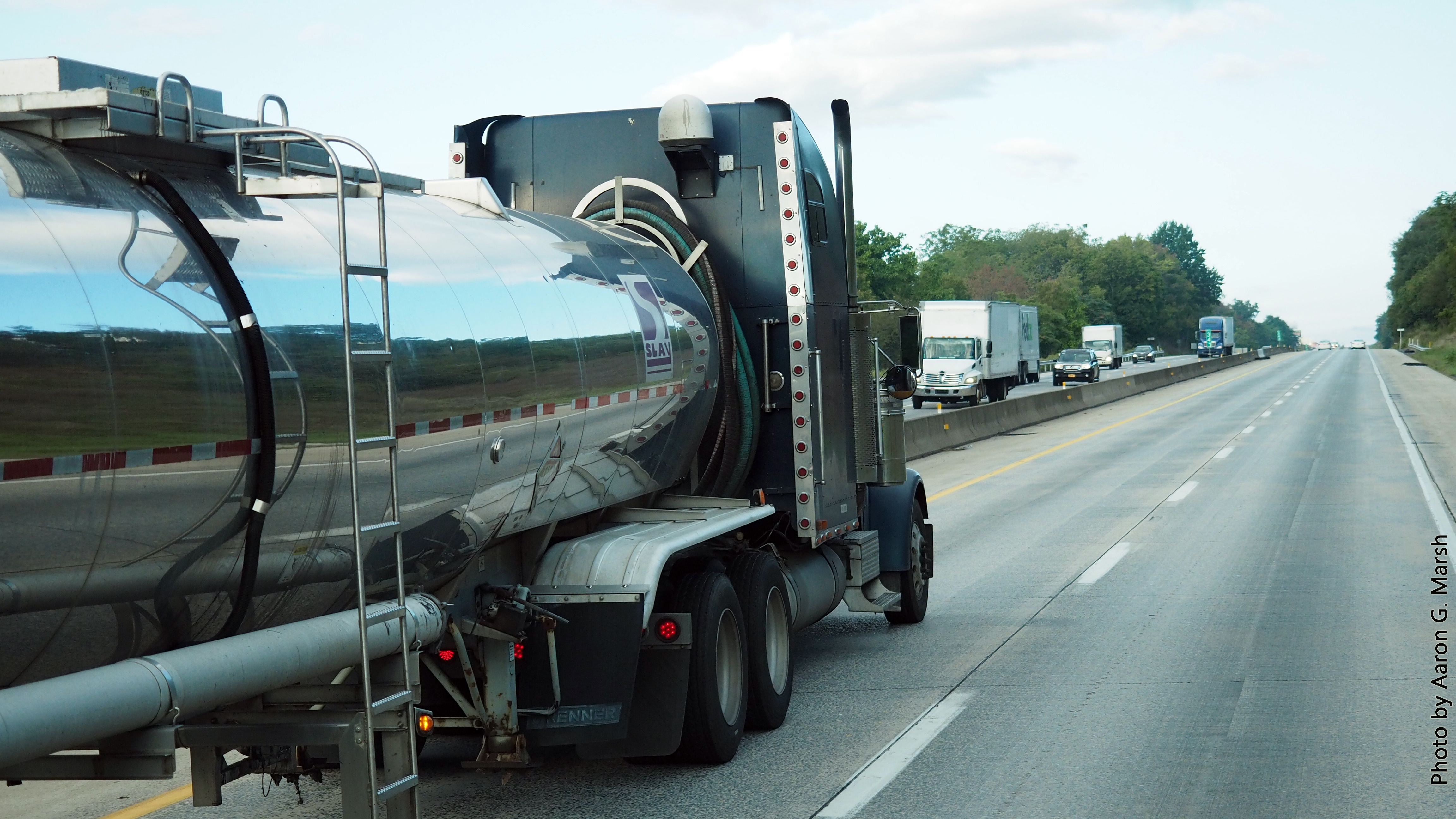
You’re driving on the freeway, and next to you is one of the many heavy trucks roaring along in traffic. How would you feel if it were being driven by a machine?
Most people have heard at least something about self-driving cars in recent years. The topic has been well explored, and consumers may welcome the concept. But in many ways, including the difficulty of finding and keeping good truck drivers, there may be greater motivation to develop and actually deploy self-driving trucks.
And it’s not so much a question of “can they,” it’s more “will they.” The technology for trucks to drive themselves has been there and in testing for some years already, dating back to around the 20-teens.
But there’s been skepticism surrounding the idea, to say the least, for some time. A Pew Research Center survey from 2017 found 65% of Americans said they’d feel unsafe sharing the road with an autonomous freight truck, with about a third — 32% — of them indicating they would feel “not at all safe.”
A few years ago, I heard from Mark Murrell, co-founder of online truck driver education provider CarriersEdge, about this same apprehension. Even though the technology exists and works for heavy trucks to operate themselves, you’re more likely to find drivers still in such trucks ready to jump on the controls if necessary, he said, rather than the trucks being fully driverless.
“It’s highly unlikely that you’re going to have a vehicle with no person in it, because not many customers are going to be comfortable with their freight going down the road without a person onboard,” Murrell said. “How many people are going to want a load of hazmat going through their neighborhood without a human overseeing it?”
More trucks
If you’ve been on America’s roadways lately in a passenger vehicle, you may have noticed more semi-trucks around you. Along with growth in online shopping, including since and during the pandemic years, has come an increased need to transport goods. According to the American Trucking Associations, trucks move nearly three-quarters of the nation’s freight by weight.
With all those goods to move, it’s no wonder the trucking industry is keenly and perennially focused on how to do it cheaper and more efficiently (and yes, more safely; notably, one of the key arguments proponents use for autonomous vehicles is that the machines potentially will be able to drive safer than humans can).
“The trucking industry has been developing with increased emphasis on productivity, maximum efficiency and profits,” notes Research and Markets in a new report on the market outlook for autonomous, or self-driving, trucks. With that as a guide, you would think self-driving trucks would certainly be a top priority and target for the industry.
However, while self-driving trucks “have great potential to replace conventional trucks in terms of convenience,” the report notes there are limiting factors, including costs of manufacturing, a lack of proper infrastructures and the safety of commuters and pedestrians.
The situation with heavy trucks is not quite the same as with airplanes, in which the pilots ride along handling takeoff, landing and special maneuvers while much of the flying is done by computers. Trucks have to share the often-crowded roadways with other motorists, including four- and two-wheeled traffic, and pass through areas with pedestrians.
What do you think? Would you allow self-driving trucks next to you out on the road? Public opinion may end up being a big part of that potential, and at some point likely, future.
Content © Aaron G. Marsh



 I Do Not Like Mondays
Leave a comment